Buick Super vs. Buick Roadmaster: Understanding the 1950s Lineup
The first time you slide behind the wheel of a 1950s Buick, the distinct rumble of its straight-eight engine and the sight of those iconic portholes on the hood tell you immediately that you’re driving something special—but knowing whether you’re in a Super or a Roadmaster meant understanding the subtle art of Buick’s 1950s lineup.
TL;DR
In the 1950s, Buick’s lineup was a carefully crafted hierarchy where the Super and Roadmaster shared the same elegant C-body platform but were distinguished by engine size, wheelbase length, luxury features, and—most famously—the number of VentiPorts on the hood. The Roadmaster sat at the top as Buick’s flagship, offering more power, longer wheelbases, and plusher interiors, while the Super provided near-flagship comfort with a more accessible price point.
Key Takeaways
- The Super and Roadmaster shared the same GM C-body platform but the Roadmaster rode on a longer wheelbase for most models.
- VentiPorts served as the quickest visual identifier—four on the Roadmaster versus three on the Super.
- The Roadmaster packed a larger 320 cubic-inch straight-eight engine producing up to 152 horsepower, while the Super made do with a 263 cubic-inch engine producing around 124 horsepower.
- The Dynaflow automatic transmission was standard on all Roadmasters but optional on the Super.
- By 1953, both models received Buick’s new 322-cubic-inch “Nailhead” V8, revolutionizing their performance.
The Buick Hierarchy: Where Super and Roadmaster Fit
To understand the 1950s Buick lineup, you have to think about it like a carefully tiered system. At the bottom sat the entry-level Special. In the middle was the Super. And at the very top, commanding respect and a higher price tag, was the Roadmaster. This wasn’t just about badge engineering—each model had distinct mechanical and visual differences that justified its place in the pecking order.
Both the Super and the Roadmaster rode on General Motors’ prestigious C-body platform, which they shared with the Cadillac Series 62 and Oldsmobile 98. But here’s where things get interesting: while they shared the same basic body structure, the Roadmaster was almost always longer. The 1950 Roadmaster rode on a 126.3-inch wheelbase, while the standard Super measured 121.5 inches. It was a classic marketing move—give the top dog a little more stretch for that extra presence.
The Language of VentiPorts
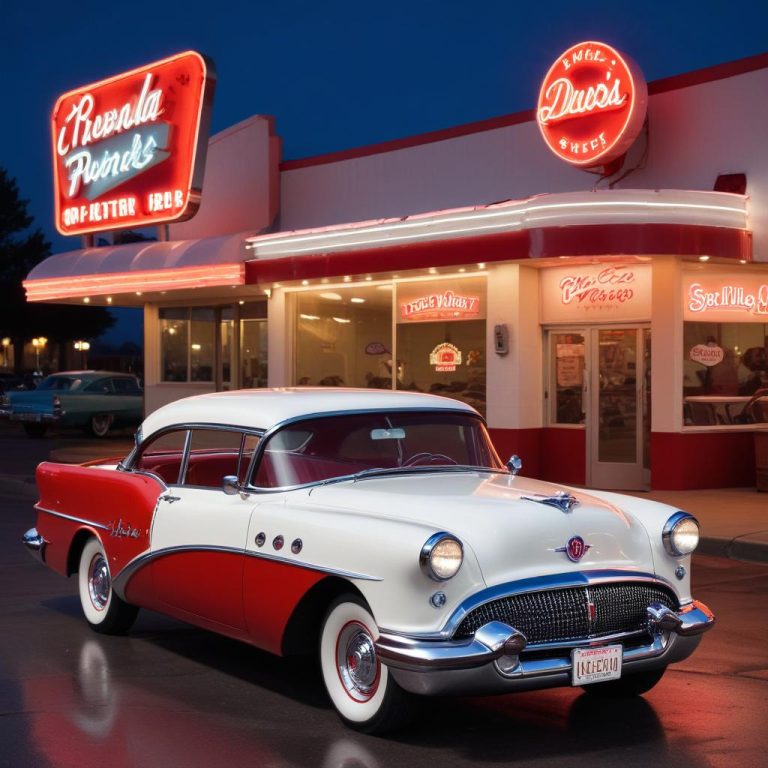
If you wanted to tell a Super from a Roadmaster at a glance, you looked at the side of the hood. The number of VentiPorts—those iconic chrome portholes—told the whole story. Supers featured three on each side, while Roadmasters boasted four.
The story behind these portholes is pure automotive legend. Buick styling chief Ned Nickles had installed four amber lights on each side of his personal 1948 Roadmaster, wired to flash in sequence with the engine’s firing—like the exhaust flames of a fighter plane. Buick’s top boss Harlow Curtice loved the look so much that he ordered VentiPorts installed on all 1949 Buicks, though the lighting was scrapped for production. The idea that they helped ventilate the engine compartment was mostly marketing fiction.
Power Under the Hood
The mechanical differences were just as clear. For the early 1950s, the Super ran with Buick’s 263-cubic-inch “Fireball” straight-eight engine, producing 124 horsepower with the standard transmission or 128 horsepower when equipped with the optional Dynaflow automatic. It was a capable engine that could push the car past 90 miles per hour, but it wasn’t exactly quick—Popular Mechanics clocked the Super’s 0-60 time at 14.5 seconds in 1953.
The Roadmaster, on the other hand, got the big 320.2-cubic-inch Fireball straight-eight, rated at a more impressive 152 horsepower. The extra displacement gave the Roadmaster a noticeable edge in highway cruising and passing power. This was Buick’s top-tier engineering, and it showed.
One of the clearest differentiators was the transmission. The Dynaflow automatic was standard equipment on every Roadmaster, a sign of its premium positioning. Super buyers had to check the option box and pay extra for the privilege of two-pedal driving.
Interior Luxury and Trim Details
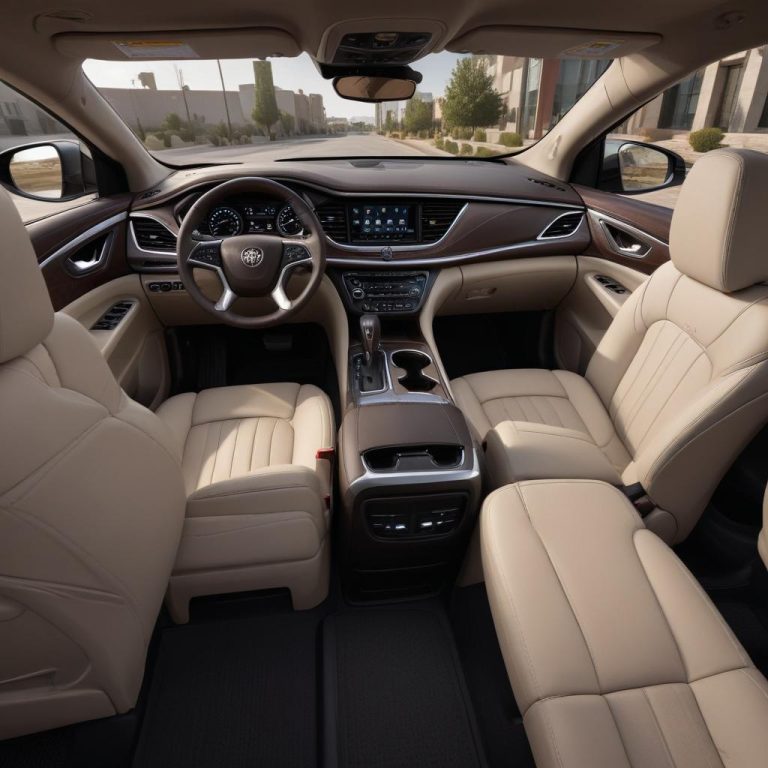
Slip inside and the differences continued. Roadmasters received richer interior materials, more chrome trim, and extra brightwork. The Super offered cloth interiors as standard on closed body styles, while the Roadmaster could be ordered with leather and more luxurious appointments. Roadmaster script appeared above the full-length body-side molding, while Super script was placed on the front fenders.
Both series offered a Riviera hardtop body style starting in 1950, a pillarless design that looked incredibly sleek and modern for its time. The Super Riviera was a popular choice for buyers who wanted that premium look without the Roadmaster price tag.
The 1953 Revolution
Everything changed for the 1953 model year. Buick introduced its all-new 322-cubic-inch “Nailhead” V8 engine, replacing the aging straight-eight designs in both the Super and Roadmaster. The numbers were impressive: 164 horsepower for standard-shift Supers, 170 for Dynaflow-equipped models, and a commanding 188 horsepower for the Roadmaster.
The new engine was shorter and more compact, giving the cars a slightly stubby appearance up front. Power steering became an option on the Super for the first time, and sales exploded. The V8 was so successful that 1953 became a record-breaking year for Buick Super sales, with increases of over 40 percent.
Comparison Table: 1950 Buick Super vs. Roadmaster
| Feature | 1950 Buick Super | 1950 Buick Roadmaster |
|---|---|---|
| Position in Lineup | Mid-range, near-luxury | Top-tier flagship |
| Platform | GM C-body | GM C-body |
| Wheelbase | 121.5″ (125.5″ for long sedan) | 126.3″ (130.25″ for limousine) |
| VentiPorts | 3 per side | 4 per side |
| Engine | 263 cu in Fireball Straight-8 | 320 cu in Fireball Straight-8 |
| Horsepower | 124-128 hp | 152 hp |
| Transmission | Manual standard; Dynaflow optional | Dynaflow automatic standard |
| Distinctive Trim | Super script on front fenders | Roadmaster script on body molding, extra brightwork |
| Starting Price (est.) | ~$2,200 | ~$3,200 |
Timeline: Evolution of the 1950s Buick Lineup
- 1949: All-new postwar styling debuts with curved windshields and VentiPorts for both Super and Roadmaster.
- 1950: Grille gets the distinctive “waterfall” look; Super engine bored out to 263 cubic inches; Riviera hardtop introduced.
- 1951: Minor styling updates; Roadmaster gets larger 320 cubic-inch engine; Dynaflow remains standard on Roadmasters.
- 1952: Roadmaster engine bumped to 170 horsepower; power steering optional on top models.
- 1953: Revolutionary “Nailhead” V8 replaces straight-eights in both models; sales surge for the Super.
What Made the Roadmaster Worth the Extra Money?
The Roadmaster was, quite simply, Buick’s answer to buyers who wanted a Cadillac without quite as much badge flash. It was the longest, most powerful, and best-equipped car Buick built. The 1950 Roadmaster offered features that weren’t even available on the Super, like power windows and seats as standard equipment on deluxe models.
But the Roadmaster wasn’t just about features—it was about presence. At over 208 inches long, it was a massive car by any standard. The four-inch wheelbase stretch gave rear-seat passengers noticeably more legroom, and the extra chrome and trim made it stand out in a crowd. It was the car for executives and successful business owners who wanted to make a statement.
The Super: The Smart Luxury Choice
The Super occupied a sweet spot in the lineup. It offered the same C-body elegance and many of the same styling cues as the Roadmaster, but at a price that was several hundred dollars lower. For buyers who wanted Buick luxury without stretching to the top of their budget, the Super was the obvious choice.
“The Super prioritized passenger comfort over engine performance, making it the sensible choice for families who wanted Buick quality without the flagship price tag.”
Sales figures back up the Super’s appeal. In 1950, Buick sold a record 251,883 Supers, proving that this middle-child model was anything but overlooked. It was, in many ways, the Goldilocks Buick—not too basic, not too expensive, but just right for a huge number of buyers.
FAQ: Understanding the 1950s Buick Super and Roadmaster
1. What was the main difference between the Buick Super and Roadmaster?
The Roadmaster was Buick’s flagship, featuring a larger 320 cubic-inch engine, longer wheelbase, and more luxurious trim, while the Super offered many of the same styling cues with a smaller engine and more affordable price point.
2. How could you tell a Super from a Roadmaster at a glance?
The easiest way was the VentiPorts—Roadmasters had four on each side of the hood, while Supers had only three.
3. Did the Super come with an automatic transmission?
The Dynaflow automatic was optional on the Super but standard equipment on the Roadmaster.
4. What engine did the 1950 Super have?
The 1950 Super used a 263 cubic-inch Fireball straight-eight producing 124-128 horsepower.
5. What engine did the 1950 Roadmaster have?
The 1950 Roadmaster was powered by a larger 320.2 cubic-inch Fireball straight-eight rated at 152 horsepower.
6. What was the “Nailhead” V8 and when did it appear?
The “Nailhead” was Buick’s new overhead-valve V8 introduced in 1953, replacing the straight-eight in both the Super and Roadmaster with 170-188 horsepower.
7. What was the Riviera body style?
The Riviera was a pillarless two-door hardtop introduced in 1950, available in both Super and Roadmaster trims.
Which classic Buick—Super or Roadmaster—would you choose for your garage? Share your thoughts in the comments.
For further reading: